
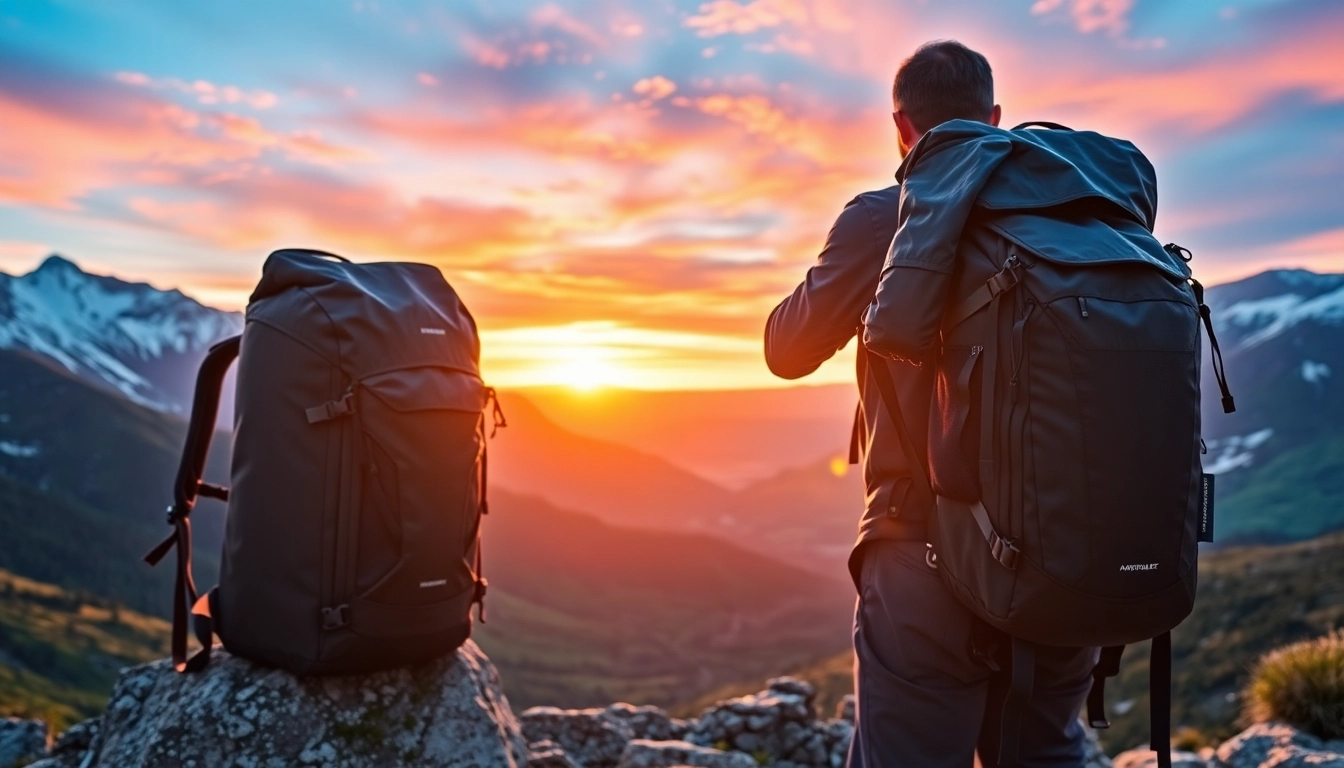
Understanding Lightweight Daypacks for Mountain Climbing
Mountain climbing enthusiasts understand the importance of having the right gear. Among the essential items, lightweight daypacks for mountain climbing stand out for their functionality and convenience. These packs are designed to enhance your climbing experience by allowing you to carry the essentials without weighing you down, making them ideal for day-long excursions or short hikes. In this article, we will explore everything there is to know about lightweight daypacks tailored for mountain climbing, including their features, comparison guidelines, and maintenance tips.
What Makes Lightweight Daypacks Ideal for Climbers?
Lightweight daypacks are specifically engineered for climbers who need a balance of minimal weight and maximum utility. Here are the key reasons why these packs are highly favored:
- Reduced Fatigue: The primary advantage of lightweight daypacks is their design, which minimizes fatigue over long durations. A lighter load enables climbers to maintain energy and endurance.
- Compactness: Designed to be space-efficient, these packs have a form-fitting design that makes them less intrusive while climbing, allowing for seamless movement.
- Versatile Capacity: Lightweight daypacks typically come with adjustable capacity features, allowing users to load them as per their climbing needs, whether it’s for a quick day climb or an extended trek.
Key Features to Look for in Daypacks
When searching for the perfect lightweight daypack for mountain climbing, it’s crucial to consider the following features:
- Suspension System: A well-designed suspension system should distribute weight evenly across your shoulders and hips, reducing strain during climbs.
- Access Points: Climbing often requires quick access to your gear. Look for packs with top-loading or panel-loading designs for easier access.
- Pockets and Organization: Multiple external pockets allow for efficient organization of gear, water bottles, and snacks, while interior compartments help keep essential items secure.
Popular Materials Used in Lightweight Daypacks
The materials used in the construction of lightweight daypacks are essential for both performance and durability. The following materials are commonly used:
- Nylon: Known for its durability and resistance to wear and tear, nylon is a top choice for lightweight packs.
- Ripstop Fabric: This fabric features a reinforced grid pattern that prevents tearing and ripping, making it ideal for rugged outdoor conditions.
- Polyester: While slightly heavier than nylon, polyester is UV resistant and offers good water-resistance, making it another excellent option.
Essential Considerations Before Purchasing
Sizing and Fit for Comfort
Choosing the correct size and fit for your lightweight daypack is paramount for comfort during climbing. Consider the following:
- Torso Length: The pack should sit comfortably on your back without causing excess strain. Refer to sizing charts and strive for a snug fit.
- Hip Belt Size: A good hip belt transfers weight from your shoulders to your hips, minimizing fatigue. Ensure the belt is suitably padded and adjustable.
- Load Lifters: Packs that include load lifter straps can help adjust the weight distribution, enhancing comfort during your climb.
Weight Distribution and Load Management
Effective weight distribution is crucial for balance and stability while climbing. Look out for these features:
- Padded Shoulder Straps: These should be adjustable to ensure proper fit and effective load management.
- Compression Straps: Use them to stabilize loose items inside the pack and maintain a compact load.
- Hydration Reservoirs: Integrated reservoirs can help keep weight evenly distributed while ensuring hydration is easily accessible.
Weather Resistance and Durability
Outdoor climates can be unpredictable. Therefore, consider these weather-resistant features:
- Waterproof or Water-Resistant Materials: Packs should be constructed from materials that withstand moisture, and a rain cover can provide additional protection.
- Sealed Seams: Sealed seams prevent water from penetrating through stitching, enhancing overall durability in wet conditions.
- Heavy-Duty Zippers: Invest in backpacks fitted with weatherproof zippers to further secure contents from moisture.
How to Optimize Your Gear for a Climbing Trip
Organizing Your Pack Efficiently
Efficient organization can significantly enhance your climbing experience. Here’s how to do it:
- Edit Gear: Only pack the essentials. Climbing gear can add up quickly, so assess what’s necessary for your trip.
- Weight Placement: Place heavier items low in the pack for better stability and to maintain an even center of gravity while walking.
- Easy Access: Store items you may need frequently (such as snacks and tools) in outer pockets or top sections for faster access.
Recommended Packing Techniques for Stability
Stability plays an essential role in preventing strain and enhancing balance. Packing techniques to consider include:
- Centrally Located Weight: Keep bulkier, heavier items closer to your back and centered for improved stability.
- Use Compression Straps: These straps help tighten the load, minimizing movement while climbing.
- Distributing Weight Evenly: Balance the distribution of gear across both sides of the pack to maintain equilibrium.
Bringing the Right Accessories for Safety
Ensuring safety on a climbing trip means packing the right accessories:
- First Aid Kit: Always carry a basic first aid kit ready for emergencies.
- Multi-tool or Knife: A versatile tool can be invaluable for making repairs or addressing needs on the go.
- Flashlight or Headlamp: Staying prepared for low-light conditions is crucial, especially for extended climbs.
Comparing Lightweight Daypacks for Mountain Climbing
Price Vs. Performance: Finding the Best Value
When assessing daypacks, comparing price to performance is essential to identify the best fit for your needs:
- Performance Features: Higher-priced models often offer advanced features. Evaluate if the performance justifies the price, based on how you plan to use them.
- Long-Term Investment: While some may find lower-priced options appealing, consider durability; a costlier model may save money over time.
- Warranty and Return Policies: Some brands provide guarantees or warranties that add value to your investment.
Top Features that Influence Decisions
Several features typically sway consumer choices in lightweight daypacks:
- Convenience: The ease of packing, accessibility, and weight proposition plays a significant role in decision-making.
- Customization: Options for customizing fit and features based on personal preferences matter to climbers.
- User Feedback: Positive user reviews can have a compelling influence, indicating trusted performance.
User Reviews: Real Experiences Shared
Understanding real-world experiences helps refine your decision when purchasing a lightweight daypack:
- Comfort Evaluations: Users often provide insights on how comfortable the pack is over long climbs.
- Durability Claims: Many reviews will mention how the pack holds up against rugged terrains and various weather conditions.
- Storage Capacity Reviews: Reviews can highlight how satisfactory the available storage space meets user needs.
Maintenance Tips for Your Daypacks
Cleaning and Storage Best Practices
Proper care ensures longevity for your lightweight daypack. Here are essential cleaning and storage practices:
- Regular Cleaning: Wash packs in cold water using mild detergent and avoid fabric softeners.
- Air Dry: Do not use a dryer; air-dry completely to prevent material damage.
- Store in a Dry Place: Ensure the pack is stored away from direct sunlight and moisture to prevent mildew and discoloration.
Repairing Common Wear and Tear Issues
Learning to address minor damages can significantly extend the life of your daypack:
- Patching Material: Use repair patches for holes or tears, or a sewing kit for more extensive damage.
- Replace Zippers: For malfunctioning zippers, consider either replacing them or utilizing zipper repair kits available.
- Inspect Regularly: Conduct routine checks for wear, as early detection of issues aids in preventing further damage.
Longevity: Extending the Life of Your Pack
To maximize the lifespan of your lightweight daypack, consider the following tips:
- Rotate Usage: Avoid wearing out a single pack by alternating with others if you have a collection.
- Mindful Packing: Avoid overloading the pack, which can stress seams and zippers, leading to deterioration.
- Gear Sizing: Use packs suited for your journey’s demands, as oversized packs can lead to unnecessary strain.
FAQs
What is a lightweight daypack?
A lightweight daypack is a compact backpack specifically designed for carrying essentials while climbing or hiking, prioritizing minimal weight and maximum functionality.
How much weight can a lightweight daypack hold?
Most lightweight daypacks can hold anywhere from 20 to 30 pounds comfortably, depending on their design and the weight distribution features.
Are lightweight daypacks waterproof?
Many lightweight daypacks are made from water-resistant materials; however, it’s advisable to check specific product descriptions for waterproof features.
How often should I clean my daypack?
Cleaning your daypack after every few trips will help maintain its integrity and performance. Always follow the manufacturer’s cleaning instructions.
Can I use a lightweight daypack for other activities?
Yes, lightweight daypacks are versatile and can be used for various activities, including day trips, travel, and even daily commuting.


