Understanding the Austin Construction Landscape
As one of the fastest-growing cities in the United States, Austin showcases a vibrant and dynamic construction landscape that reflects its booming economy and population influx. The Austin construction market is a blend of residential, commercial, and infrastructure projects, adapting to new demands and innovations. This article explores various aspects of construction in Austin, shedding light on current trends, notable projects, challenges, and the future direction of the industry.
The Current State of Austin Construction
The construction industry in Austin is experiencing a significant boom, driven largely by the city's rapid population growth and its appeal as a hub for technology and innovation. Reports indicate that from 2020 to 2024, Austin's population has increased by 10.9%, making it the fastest-growing large metro area in the U.S. This booming demographic trend has inevitably led to a surge in construction activities, particularly in the housing sector.
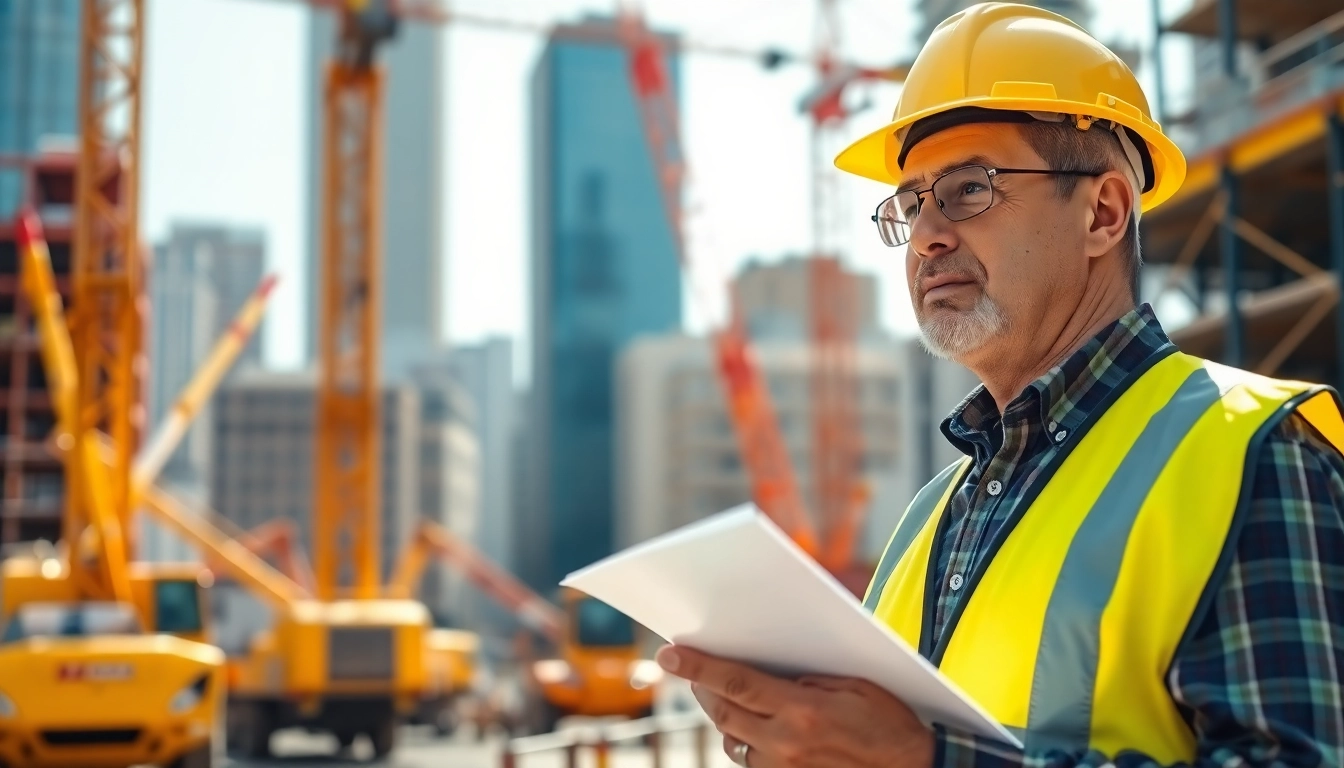
In recent times, Austin has seen a noteworthy increase in both residential and commercial construction projects. Numerous high-rise residential buildings are now emerging to accommodate young professionals, tech workers, and families seeking urban living. Additionally, commercial spaces, particularly those catering to the technology sector, are being built at an unprecedented pace to keep up with demand.
Key Drivers Influencing Growth
Several factors are propelling the growth of Austin's construction industry. One major driver is the influx of technology companies setting up operations in the area, attracting a skilled workforce and increasing the demand for housing and commercial spaces. For instance, major players in technology such as Dell Technologies and Apple have expanded their presence in Austin, leading to parallel growth in the construction sector.
Moreover, Austin's favorable economic environment, characterized by a robust job market and appealing quality of life, continues to invite new residents from across the country. This trend translates into a heightened need for housing infrastructure, retail centers, and recreational facilities.
Overview of Local Construction Policies
The local government has also played a role in shaping the construction landscape. Austin adopts various policies designed to streamline development processes and promote sustainable building practices. However, the city also faces zoning challenges and regulatory hurdles that can delay projects or add costs, necessitating careful navigation by builders and developers.
Additionally, the City of Austin has set ambitious goals for sustainable construction, aiming to ensure that growth is balanced with environmental considerations. New policies are being developed to encourage green building practices and the integration of renewable energy sources into new developments, aligning with wider goals of sustainability and climate resilience.
Popular Construction Projects in Austin
The ongoing construction projects in Austin are diverse, illustrating the varied needs of a rapidly changing city. Here, we delve into key segments of this thriving market: residential developments, commercial construction, and infrastructure projects.
Residential Developments: Trends and Challenges
Residential construction remains at the forefront of Austin's building boom. With the city's increasing population, the demand for new housing developments continues to rise. Recent trends show a shift towards high-density living solutions, such as multi-family housing units and condominiums, which cater to the needs of young professionals. However, challenges abound:
- Affordability: Rising construction costs and land prices have made it difficult to maintain affordability despite the increased supply of housing.
- Regulatory Constraints: Navigating local zoning ordinances can be complicated and time-consuming, impacting the timeline of project completions.
- Community Opposition: Some neighborhoods express resistance to high-density projects, leading to community meetings and, in some cases, legal challenges.
Despite these challenges, innovative developers are finding ways to overcome obstacles and deliver functional and aesthetically pleasing living spaces that meet the evolving needs of Austin’s residents.
Commercial Construction Projects Transforming the City
Commercial projects, especially in the tech sector, are vital to Austin’s construction surge. Iconic buildings, such as office spaces for tech companies and co-working environments, define the skyline. The trend of flexible working environments has led to increased demand for office spaces that cater to collaborative work styles. Notable projects include:
- The Domain: A mixed-use community featuring retail, dining, residential, and office spaces that fosters a live-work-play environment.
- Apple's New Campus: Apple's expansion in North Austin signifies a massive investment in commercial infrastructure, further stimulating local construction.
- Mixed-Use Developments: Properties that combine residential, retail, and office spaces are growing in popularity and addressing the needs of modern urban living.
Infrastructure Developments and Their Impact
Infrastructure is crucial for supporting Austin's growth. Investments in transportation, transit systems, and public infrastructure have become more critical than ever. Ongoing projects such as the expansion of the Austin-Bergstrom International Airport help position Austin as a regional hub, enhancing connectivity and stimulating economic growth. These developments not only improve functionality but also stimulate further construction projects in surrounding areas.
Additionally, road improvements and public transit enhancements (like the Capital Metro's Project Connect) are designed to ease traffic congestion and promote sustainability, helping residents move more efficiently within the city.
Challenges Facing Austin's Construction Industry
Despite the flourishing growth, the construction industry in Austin faces significant challenges that could influence its trajectory. Below we discuss the most pressing issues impacting the sector today.
Labor Shortages and Workforce Development
Labor shortages present a formidable challenge to the construction industry in Austin. This situation is exacerbated by the increase in projects outpacing available skilled labor. The demand for skilled tradespeople, including electricians, plumbers, carpenters, and general laborers, is critical for maintaining project timelines and quality.
To combat this challenge, industry associations and builders are investing in training programs and apprenticeships aimed at attracting younger workers into the trades. Initiatives to partner with local educational institutions also help bridge the gap between available job opportunities and workforce readiness.
Supply Chain Issues Affecting Material Availability
The recent global supply chain issues have dramatically impacted material availability and costs. Shortages of essential materials like steel, lumber, and concrete not only affect project timelines but also drive prices up, ultimately impacting how new constructions are funded and completed.
Builders are increasingly turning to innovative procurement strategies, local sourcing, and alternative materials to mitigate these supply chain challenges. Staying adaptable and fostering strong supplier relationships is essential for addressing these ongoing issues.
Regulatory Hurdles in Local Permitting Processes
The permitting process in Austin can be lengthy and cumbersome, causing delays in project initiation and completion. Navigating the complex web of regulations, inspections, and permits can be daunting for developers and contractors alike. It necessitates careful planning and management to ensure compliance and timely delivery.
Advancing technology, such as project management software and streamlined communication platforms, can facilitate smoother interactions with regulatory bodies, accelerating the approval process and allowing developers to focus on project execution.
Innovative Practices in Austin Construction
Innovation is a cornerstone of the Austin construction industry, driving practices aimed at efficiency, sustainability, and improved outcomes. This section explores some of the forward-thinking approaches currently being adopted.
Green Building Techniques and Sustainable Practices
In line with the city’s commitment to sustainability, green building practices are increasingly popular among contractors and developers. The use of sustainable materials, energy-efficient designs, and waste-reduction strategies not only minimizes environmental impact but also enhances long-term value and livability for residents.
LEED (Leadership in Energy and Environmental Design) certification has gained traction in Austin, encouraging builders to adopt practices such as rainwater harvesting, energy-efficient HVAC systems, and solar energy installations. As consumers become more eco-conscious, green building techniques are likely to see greater demand.
Technological Advances Shaping Construction
Technology is rapidly reshaping the construction industry's landscape. The integration of Building Information Modeling (BIM), drones, and virtual reality (VR) is enhancing project visualization, accuracy, and efficiency.
Drones, for example, enable real-time site monitoring and data collection, improving decision-making and project oversight. VR allows clients and stakeholders to engage with designs before physical construction begins, securing greater satisfaction and aligning expectations.
Future Trends in Construction Methodologies
As the sector evolves, several future trends are becoming apparent. Prefabrication and modular construction are rising in popularity, enabling faster assembly and lower costs while reducing construction site waste. Additionally, the adoption of advanced robotics and automation in building processes promises to enhance safety and efficiency, ultimately transforming how construction is conducted in Austin and beyond.
Getting Involved in Austin Construction
As the construction sector continues to thrive, opportunities abound for new contractors, developers, and stakeholders wishing to participate in Austin's development narrative. Here’s how to get involved effectively.
Opportunities for New Contractors and Developers
For new contractors and developers, the burgeoning Austin market presents numerous lucrative opportunities. Networking within industry groups and joining local trade associations can provide access to crucial resources, project leads, and industry knowledge. Furthermore, consider specializing in high-demand niches, such as sustainable building or smart home technologies, which can differentiate your business in a competitive landscape.
Networking in the Austin Construction Community
Building a network in the Austin construction community is essential for success. Industry events, seminars, and local meetups offer valuable platforms for connecting with peers, potential clients, and partners. Engaging on social media platforms and professional networks like LinkedIn can further enhance visibility and lead to collaborative opportunities.
Resources for Staying Informed on Trends
Staying informed about trends, policies, and best practices is vital for anyone involved in the construction industry. Subscribing to industry publications, joining relevant online forums, and participating in local chambers of commerce can provide insights into market dynamics and emerging opportunities. Additionally, continuous education through workshops and certifications can elevate one's skill set and knowledge base.
In conclusion, Austin’s construction landscape is characterized by rapid growth, diverse projects, and an array of challenges and opportunities. As the city continues to develop, both construction professionals and stakeholders must adapt to changes and seize the prospects presented by this vibrant market. By embracing innovative practices and committing to sustainability, Austin can ensure that its growth is not only remarkable but also responsible.