
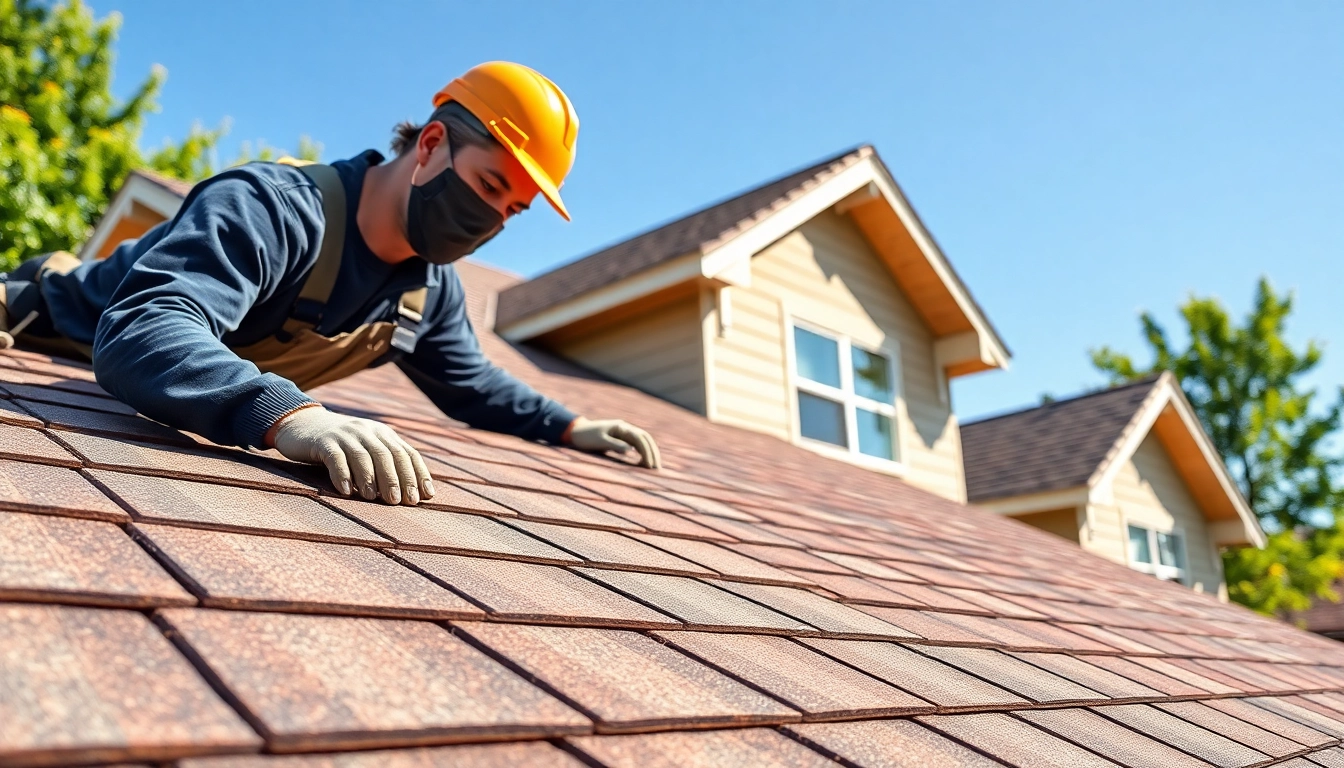
Understanding High-Quality Roofing Solutions
What Defines High-Quality Roofing?
High-quality roofing is more than just the materials used; it encompasses the overall craftsmanship and the capacity of the roofing system to protect homes against environmental elements. It can be defined by durability, performance, aesthetic appeal, and the ability to provide energy efficiency. When homeowners invest in high-quality roofing solutions, they are looking for longevity, low maintenance, and protection for their homes, ensuring that their investment withstands the test of time. The composition, installation techniques, and maintenance protocols all contribute to what defines high-quality roofing.
Benefits of Investing in Quality Roofing Solutions
Investing in quality roofing solutions provides numerous advantages that significantly outweigh initial costs. First and foremost, high-quality roofs enhance the safety of a home, providing better protection from severe weather conditions, leaks, and other structural vulnerabilities. Additionally, they contribute to energy efficiency by improving insulation and reducing heating and cooling costs.
Quality roofing materials often come with superior warranties, offering peace of mind to homeowners. These materials typically have better resistance to water, winds, and UV rays, leading to fewer repairs and longer lifespans. The aesthetic value of high-quality roofing can also enhance a property’s curb appeal, thus providing an increase in overall market value. Homeowners can thus enjoy both aesthetic and practical benefits by opting for high-quality roofing solutions.
Common Roofing Materials and Their Features
Several types of roofing materials are available, each offering unique features and benefits.
- Asphalt Shingles: Popular for their affordability and ease of installation, asphalt shingles are versatile and come in a variety of styles and colors.
- Metal Roofing: Known for durability and longevity, metal roofs can last over 50 years and offer great energy efficiency. They are lightweight and resistant to extreme weather conditions.
- Slate and Tile: These materials provide a unique aesthetic and exceptional durability. They are fireproof and can last for over a century with proper maintenance.
- Wood Shingles: Offering natural beauty, wood shingles can provide excellent insulation. However, they may require more maintenance due to susceptibility to rot and pests.
Choosing the Right Roofing Solution for Your Home
Factors to Consider When Selecting Roofing Options
When selecting a roofing solution, homeowners must consider various factors, including climate, budget, and aesthetics. Different materials perform better in different environmental conditions; for instance, metal roofs may be preferred in areas prone to wildfires, while asphalt shingles may be better suited for temperate climates. It’s also important to consider the lifespan of materials and the return on investment. A cost-effective roofing option may have a lower initial price but could lead to higher costs over time due to maintenance and replacements.
How to Assess Your Home’s Roofing Needs
Evaluating the roofing needs of a home involves a meticulous inspection both from inside and outside the property. Homeowners should look for signs of wear and tear, such as missing shingles, stains on ceilings, or signs of water damage. A professional inspection can provide a more comprehensive assessment, revealing underlying issues that may not be visible. Understanding the current state of the roof will guide the decision-making process in selecting a suitable replacement or repair option.
Working with Professionals for Tailored Solutions
Professional roofing contractors can offer valuable expertise in choosing the right roofing solutions tailored to meet specific homeowner needs. They can provide insights into the latest materials, installation techniques, and local regulations. Engaging experienced professionals ensures that the roofing solution not only meets aesthetic desires but also adheres to building codes and regulations, thus safeguarding the investment.
Implementation Steps for High-Quality Roofing Solutions
Preparing Your Home for Roofing Installation
Preparation for roofing installation is crucial. Homeowners should clear the area around the house, moving vehicles and outdoor furniture to prevent damage during the project. Additionally, it’s advisable to inform neighbors about the roofing project, as it may involve loud noises and worker traffic. Ensuring access for the roofing crew and providing a safe working environment contributes to an efficient installation process.
Step-by-Step Guide to the Installation Process
The installation process for quality roofing typically includes the following steps:
- Removing the Old Roof: This involves stripping away existing roofing materials to expose the underlying structure.
- Inspecting the Decking: The roof deck is inspected for damage, and any necessary repairs are made to ensure a solid foundation for the new roof.
- Installing Underlayment: This acts as a protective barrier against moisture and adds an extra layer of insulation.
- Installing New Roofing Material: The chosen roofing material is installed according to manufacturer specifications, ensuring proper integrity and validity of warranties.
- Finishing Touches: This includes installing ventilation, flashing, and gutters to complete the roofing system.
Post-Installation Care and Maintenance Tips
Once the new roof is installed, routine maintenance ensures its longevity. Homeowners should conduct regular inspections, especially after storms, to identify and address any potential issues. Cleaning gutters, removing debris from the roof, and checking for loose or damaged materials will help keep the roofing system in optimal condition. It’s also advisable to schedule professional inspections periodically to check for any hidden problems.
Costs and Budgeting for High-Quality Roofing Solutions
Estimating Your Roofing Project Budget
Estimating the budget for a roofing project involves considering the cost of materials, labor, and additional fees. Homeowners should gather quotes from multiple contractors, carefully examining what each quote covers. While a low estimate may be tempting, it’s essential to consider the quality of materials and the contractor’s reputation, as these factors greatly affect the project’s overall success.
Potential Hidden Costs to Watch Out For
During roofing projects, unexpected costs can arise. Homeowners should be prepared for potential additional expenses such as the need for structural repairs, permitting fees, or the cost of removing the old roofing materials. Discussing these possibilities with a contractor upfront can help prepare for any financial surprises.
Financing Options for Homeowners
Many homeowners may require financing for their roofing projects. There are various options to explore, including personal loans, home equity lines of credit, or payment plans offered by contractors. Evaluating these options necessitates an understanding of interest rates, repayment terms, and their impact on personal finances. A well-planned budget will help manage financial aspects effectively, thus leading to a smoother roofing experience.
Ensuring Longevity and Performance of Roofing Solutions
Regular Maintenance Routines
Establishing a regular maintenance routine plays a critical role in prolonging the life of a roof. This includes scheduled inspections, cleaning, and immediate repairs of any identified issues. Homeowners should also pay attention to the seasons, as certain weather conditions may pose higher risks for roof damage, prompting more frequent checks during adverse weather periods.
Signs Your Roof Needs Repairs or Replacement
Homeowners should remain vigilant for signs that their roof may require repairs or replacement. Common indicators include:
- Water stains on ceilings or walls.
- Broken or missing shingles.
- Sagging or drooping areas.
- Granules from shingles accumulating in gutters.
Addressing these signs promptly can prevent larger issues and expenses down the line.
Choosing the Right Warranty for Peace of Mind
Selecting the right warranty for roofing solutions can offer significant peace of mind. Warranties can vary depending on the materials and the contractor, and they typically cover defects in materials and workmanship. Homeowners should thoroughly read warranty details, understanding the duration of coverage and any conditions that may void it. A comprehensive warranty can provide added security, ensuring that the investment is protected in the long run.