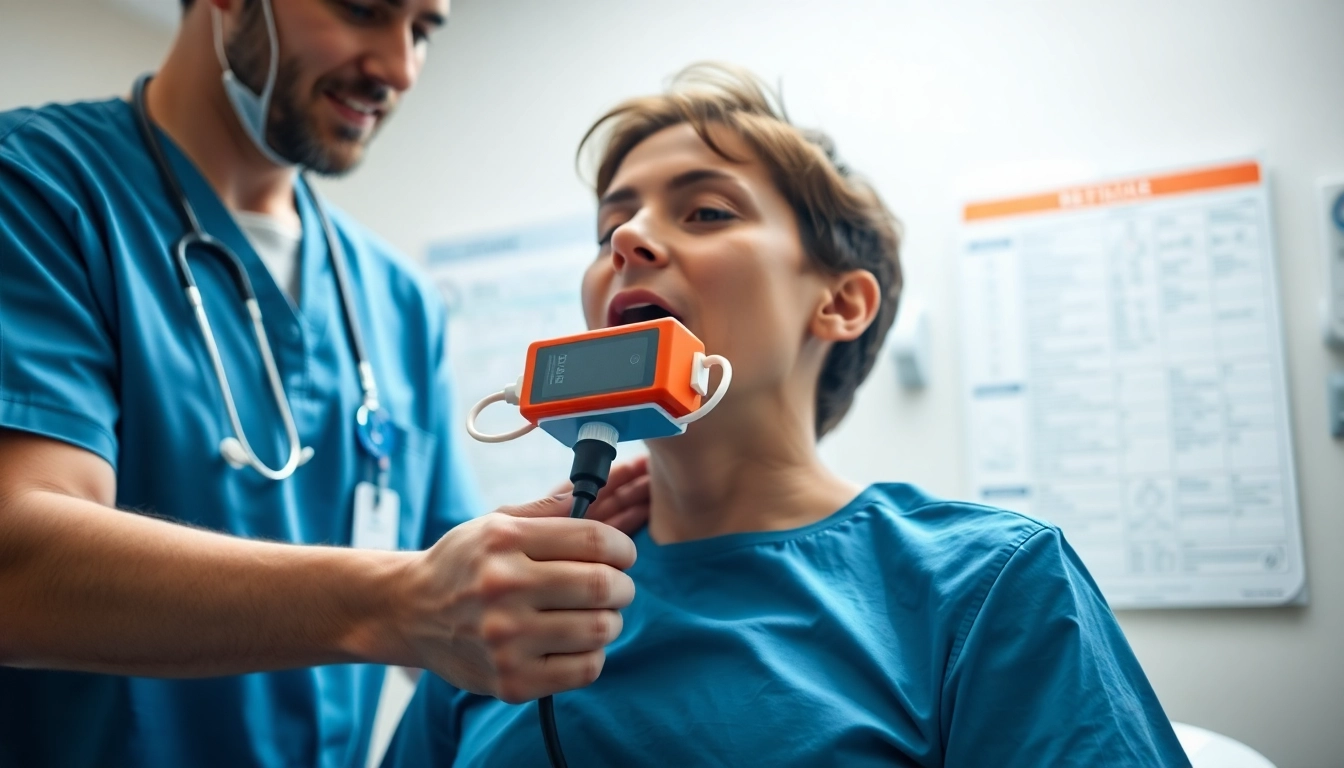
Introduction to Choking Devices
Choking incidents can occur without warning, leading to severe consequences, including death, if not addressed immediately. The use of a choking device can be a lifesaver in these critical situations. Understanding what these devices are, why they are essential in emergency care, and how to effectively use them can mean the difference between life and death. This article will explore the fundamental aspects of choking devices, their mechanisms, selection criteria, training requirements, real-world applications, and future innovations.
What is a Choking Device?
A choking device is a piece of medical equipment designed to alleviate airway obstructions caused by choking. Choking occurs when a foreign object, such as food or another item, blocks the air passage, preventing normal breathing. Choking devices can range from manual suction tools to high-tech devices that employ pneumatic or mechanical systems to free the airway. These tools can be used by laypersons as well as trained medical personnel to reduce the risk of asphyxiation.
Importance of Choking Devices in Emergency Care
Choking is a prevalent cause of injury and death in individuals of all ages, particularly among children and the elderly. The timely use of choking devices plays a vital role in emergency care as they provide an immediate response to restore airflow. Research indicates that the chances of survival significantly increase with the rapid deployment of choking devices. Furthermore, incorporating these devices into emergency response protocols helps ensure that first responders can act decisively, minimizing potential brain damage due to oxygen deprivation.
Types of Choking Devices Available
There are several types of choking devices available on the market, each designed for specific scenarios and user expertise. Some common types include:
- Manual Suction Devices: These devices allow users to manually create suction to remove obstructions from the airway.
- Pressure Suction Devices: Using a canister and vacuum system, these devices can effectively dislodge objects lodged in the throat.
- Automated Choking Relief Systems: Some modern devices utilize sensors and automated mechanisms to detect and respond to airway blockages quickly.
- Self-Use Devices: Products such as the Heimlich maneuver kits are designed for self-administration in choking emergencies.
How Choking Devices Work
Mechanism of Action
The mechanism by which choking devices operate greatly depends on their design. Manual suction devices typically require the user to create a vacuum over the obstruction, thereby pulling it free. Automated devices, on the other hand, often utilize mechanical forces to perform the necessary actions. Some devices also incorporate sensors that can identify the presence of an obstruction and deploy targeted forces to remove it, demonstrating an advanced understanding of pressure dynamics within the human body.
Step-by-Step Usage Instructions
To effectively use choking devices, it is crucial to follow systematic guidelines. Here’s a step-by-step guide applicable for most manual choking devices:
- Assess the Situation: Determine if the individual is truly choking (i.e., unable to speak, cough, or breathe).
- Activate Emergency Services: If resources are available, immediately contact emergency services while preparing to assist.
- Position the Victim: If the victim is conscious, encourage them to lean slightly forward, maximizing airflow efficiency.
- Apply the Device: Follow the manufacturer’s instructions to place the choking device effectively over the obstruction point.
- Apply Suction or Pressure: Begin to create suction or apply pressure as indicated to dislodge the object.
- Monitor the Victim: Continuously observe their condition and be prepared to initiate CPR if they become unresponsive.
Common Mistakes to Avoid
When using choking devices, there are several common mistakes that can complicate the situation:
- Improper Device Use: Not following the device's instructions can result in ineffective blockage removal.
- Delayed Action: Hesitating to respond can worsen the situation, leading to severe health implications.
- Failing to Contact Emergency Services: Reliance solely on a choking device without emergency assistance can be dangerous.
Choosing the Right Choking Device
Factors to Consider
Selecting an appropriate choking device depends on various factors, including:
- Target Audience: Different devices are designed for adults, children, or specialized groups (e.g., those with disabilities).
- Ease of Use: Evaluate the learning curve associated with the device and ensure that users can operate it effectively under pressure.
- Portability: For first responders or caregivers, devices that are easy to carry and stored safely are preferable.
- Regulatory Compliance: Ensure that the device meets local health and safety regulations.
Reviews and Recommendations
When selecting a choking device, it’s essential to review expert recommendations and user feedback. Many organizations compile reviews and ratings based on performance, reliability, and ease of use. Reputable medical equipment sites often provide detailed information about various choking devices, allowing consumers to make informed decisions.
Where to Purchase Quality Devices
Choking devices can be purchased through various avenues, including medical supply stores, online retailers specializing in first aid equipment, and public health organizations. It’s crucial to ensure that the device has necessary certifications, ensuring it meets safety and efficacy standards.
Training and Skills Development
Essential Training Courses
Acquiring the skills to operate choking devices effectively is crucial. Many organizations offer first aid and choking device operation courses. These courses provide participants with practical knowledge, covering the physiological aspects of choking, the operation of devices, and hands-on simulations. Online platforms also offer e-learning options for those who may prefer flexible learning.
Practicing with Choking Devices
Regular practice with choking devices is crucial for ensuring efficiency in real-world scenarios. Simulated environments or first aid classes often provide opportunities to train with choking devices. It’s advisable to participate actively in these practical sessions to familiarize oneself with the device functions and techniques needed for successful interventions.
Certification for First Responders
First responders typically undergo certification training to ensure they have the knowledge and skills necessary to respond to emergency situations effectively. Courses focused on choking devices will often culminate in certification, verifying the individual’s competence in handling choking emergencies. Maintaining certification through refresher courses is also recommended to ensure updated knowledge on practices and advancements.
Real-World Applications and Case Studies
Success Stories from Emergency Response Teams
Across various settings, numerous success stories have emerged highlighting the role of choking devices in saving lives. For instance, emergency response teams equipped with automated choking relief systems have reported significant improvements in their response times and outcomes during choking emergencies, particularly in childcare settings. These success stories underscore the importance of using effective equipment alongside trained personnel in saving lives.
Impact of Choking Devices on Survival Rates
Statistical data demonstrate the significant impact choking devices have on survival rates. A study conducted among various health institutions showed that immediate use of choking devices improved survival rates by 60% in cases involving children, and by a notable percentage among adults. Timely intervention with choking devices drastically minimizes the risk of fatal outcomes, emphasizing the importance of equipping emergency teams with these critical tools.
Future Trends and Innovations in Choking Device Technology
The future of choking device technology appears promising with ongoing advancements focused on usability and effectiveness. Innovations such as smart devices that monitor patient responses and adjust the intervention techniques in real-time are on the horizon. Furthermore, the integration of mobile health technologies allows accessibility to real-time support and guidance for untrained personnel during emergency situations. These technological advancements aim to reduce the loss of life due to choking incidents.
Understanding choking devices is essential for enhancing emergency response efforts. Their proper use, selection, and training are vital components in combating choking incidents. As technology advances, the availability and effectiveness of choking devices will likely improve, ultimately saving more lives.