Understanding Structural Steel Construction
Structural steel construction has become a cornerstone of modern building practices, providing a robust framework for a range of projects including residential, commercial, and industrial infrastructures. The material's unique properties contribute to the versatility and efficiency of construction, enabling designers and engineers to create innovative structures that withstand the test of time. Whether you're building a high-rise office tower or a modest home, understanding the nuances of structural steel construction will help you make informed decisions throughout the building process.
What is Structural Steel?
Structural steel is a category of steel construction material made from various alloys, specifically designed for use in structural applications. With a high strength-to-weight ratio, it is primarily formed into shapes such as beams, columns, and plates that serve as the skeleton of a building. Primarily crafted from iron, carbon, and other elements, structural steel is manufactured to specified standards, ensuring exceptional durability and stability under diverse environmental conditions. This material is crucial in civil engineering due to its capacity to bear heavy loads, which is further enhanced by specifying different grades of steel.
Benefits of Using Structural Steel
- Strength and Durability: Structural steel’s inherent strength allows for large spans and reduces the need for supporting columns, providing more usable space.
- Flexibility in Design: Due to its uniformity, shape, and strength, architects can push the boundaries of their designs without compromising structural integrity.
- Speed of Construction: Prefabricated steel components streamline the construction process, reducing onsite labor time and expediting project timelines.
- Eco-Friendly: Structural steel is recyclable and its production generally results in lower carbon emissions compared to other materials like concrete.
- Cost-Effective: Although initial costs may be higher, long-term savings result from its durability and reduced maintenance requirements.
Common Applications in Construction
Structural steel is utilized across various sectors, notably in:
- Commercial Buildings: Office towers, shopping malls, and stadiums leverage the strength of steel to create open, flexible spaces.
- Industrial Facilities: Factories and warehouses utilize steel for durable frameworks that support heavy machinery.
- Bridges: Steel’s tensile strength is crucial in bridge construction, allowing for longer spans without needing additional supports.
- Residential Projects: Modern homes increasingly incorporate steel framing for its resilience, particularly in regions prone to extreme weather.
Planning Your Structural Steel Project
Planning is vital for the successful execution of a structural steel project. From initial design through budgeting and adherence to regulations, each phase must be carefully considered to ensure optimal results.
Design Considerations and Load-Bearing Essentials
When design considerations are made, the load-bearing capacity of structural steel must be taken into account. Load-bearing elements include live loads (e.g., occupants and furniture), dead loads (the weight of the building itself), and environmental loads (such as snow and wind). Engaging a structural engineer early in the design process ensures that all loads are accurately calculated, resulting in a safe and efficient structure.
Budgeting for Structural Steel Construction
Accurate budgeting requires consideration not only of material costs but also labor, fabrication, transportation, and installation. Engaging a fabricator to provide detailed estimates based on project specifics can help identify areas where costs might be optimized. Completing a comprehensive cost analysis can mitigate unexpected expenses during the project's lifecycle.
Regulatory and Safety Standards
Navigating the myriad of regulatory requirements and safety standards is crucial in structural steel construction. Local building codes, safety regulations, and environmental standards must be adhered to throughout the project. Engaging a knowledgeable contractor who is familiar with these requirements can prevent compliance issues and potential delays.
Implementation and Best Practices
Implementing a structural steel project requires precision, coordination, and adherence to best practices throughout the construction process.
Choosing the Right Steel Fabricator
Choosing an experienced steel fabricator can significantly impact the quality of the final product. Look for a fabricator with a strong portfolio, favorable reviews, and adherence to industry standards. It's also beneficial to discuss your specific needs and any unique challenges your project may present, ensuring they possess the necessary expertise.
Assembly and Erection Techniques
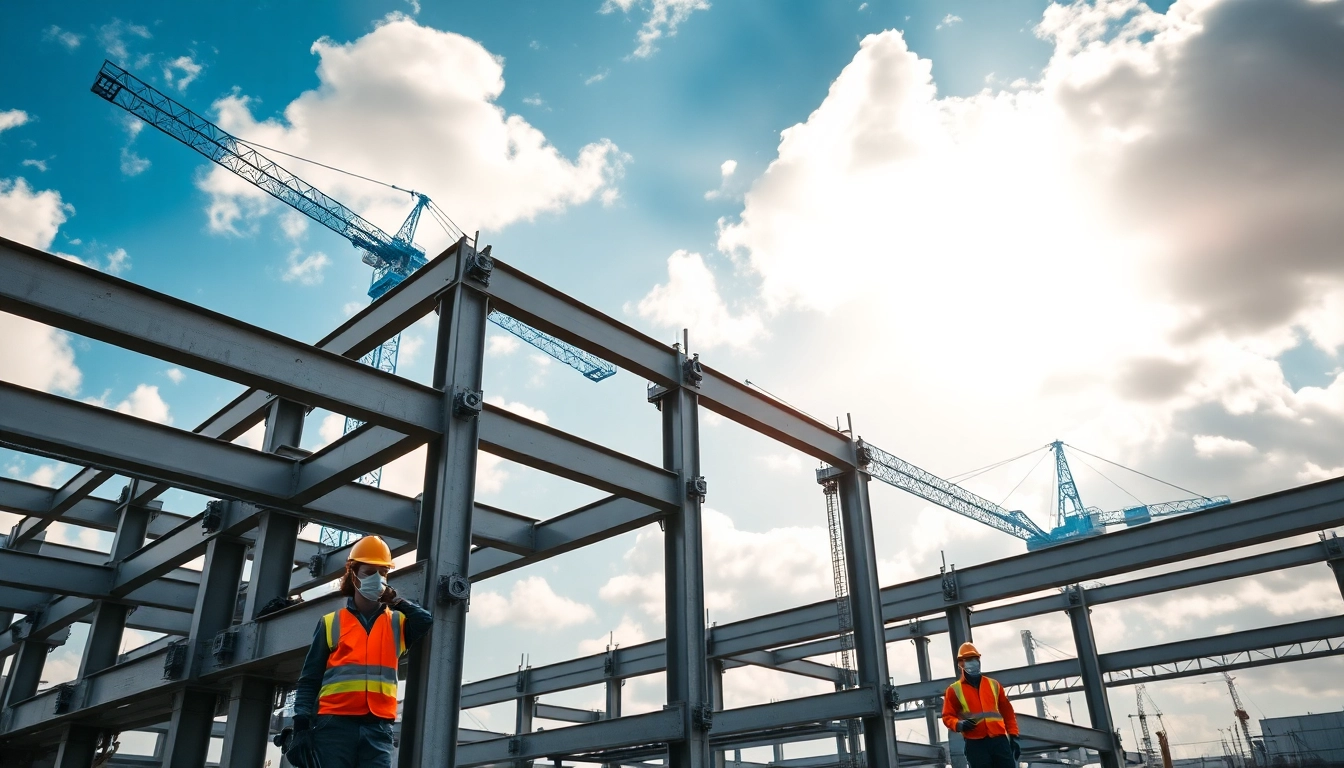
Proper assembly and erection techniques are essential for ensuring that the structural integrity of the building is maintained throughout the construction process. Techniques may include:
- Base Plate Installation: Accurate placement and leveling of base plates are crucial to avoid future structural issues.
- Use of Temporary Bracing: Supporting structures during the erection phase to maintain stability.
- Connection Techniques: Employing reliable methods (e.g. welding, bolting) that conform to engineering specifications.
Addressing Common Construction Challenges
Structural steel construction can present challenges ranging from supply chain issues to unexpected weather conditions. Being proactive by conducting timely inspections, maintaining communication with all parties involved, and having contingency plans in place are essential strategies to ensure the smooth progress of the project.
Innovations in Structural Steel Construction
As technology advances, so does structural steel construction, paving the way for improved materials, efficiency, and sustainability practices.
New Materials and Technologies
Emerging materials such as high-strength steels and advanced composites are revolutionizing structural steel construction. These innovations lead to lighter, yet stronger steel options that can reduce material usage without compromising strength. Additionally, digital technologies like Building Information Modeling (BIM) facilitate enhanced collaboration and accuracy in the design phase, resulting in reduced errors and streamlined workflows.
Sustainability Practices in Steel Construction
With sustainability becoming increasingly integral to construction, structural steel offers several eco-friendly advantages. Practices such as using recycled materials, minimizing waste during fabrication, and implementing energy-efficient production processes help reduce the overall environmental impact. Initiatives for carbon-neutral steel production are emerging, promising to further enhance the sustainability of structural steel construction.
Case Studies of Innovative Projects
Several noteworthy projects illustrate the cutting-edge application of structural steel. For example, the Burj Khalifa in Dubai utilized advanced steel technology to achieve its staggering height. Similarly, the London Eye employs bespoke steel components to achieve its iconic design. These examples underscore not only the versatility of structural steel but also its critical role in pioneering architectural feats.
Measuring Success in Structural Steel Construction
Success in structural steel construction goes beyond mere completion. It encompasses performance, durability, and client satisfaction.
Performance Metrics for Structural Integrity
Key performance metrics to assess structural integrity include:
- Load Testing: Ensuring the structure can withstand both static and dynamic loads safely.
- Deflection Analysis: Monitoring deflection under load to ensure compliance with design specifications.
- Fatigue Testing: Assessing the ability of the structure to endure repeated loading cycles over time.
Post-Construction Evaluation and Feedback
Conducting a thorough evaluation after construction completion allows stakeholders to assess and improve processes for future projects. Gathering feedback from contractors, clients, and users of the building enhances knowledge sharing and leads to continuous improvement.
The Future of Structural Steel in Engineering
The Future of structural steel in engineering appears bright, marked by continued innovations and a growing emphasis on sustainable practices. As the industry shifts towards greener alternatives, developments in the recycling of steel and reduction in carbon emissions further highlight the importance of this material in modern construction. As urbanization progresses, the demand for resilient, efficient, and sustainable buildings will only increase, cementing structural steel's role as a leading choice in construction.