Understanding Cookware Materials
When it comes to cooking, the type of cookware you use can significantly affect both the cooking process and the end result of your meals. The material of your cookware dictates its heat conductivity, evenness of cooking, durability, and maintenance needs. This section delves into the various materials available, helping you make an informed choice for your kitchen.
Types of Cookware: Stainless Steel, Non-Stick, and More
Cookware is available in various materials, each with distinct properties:
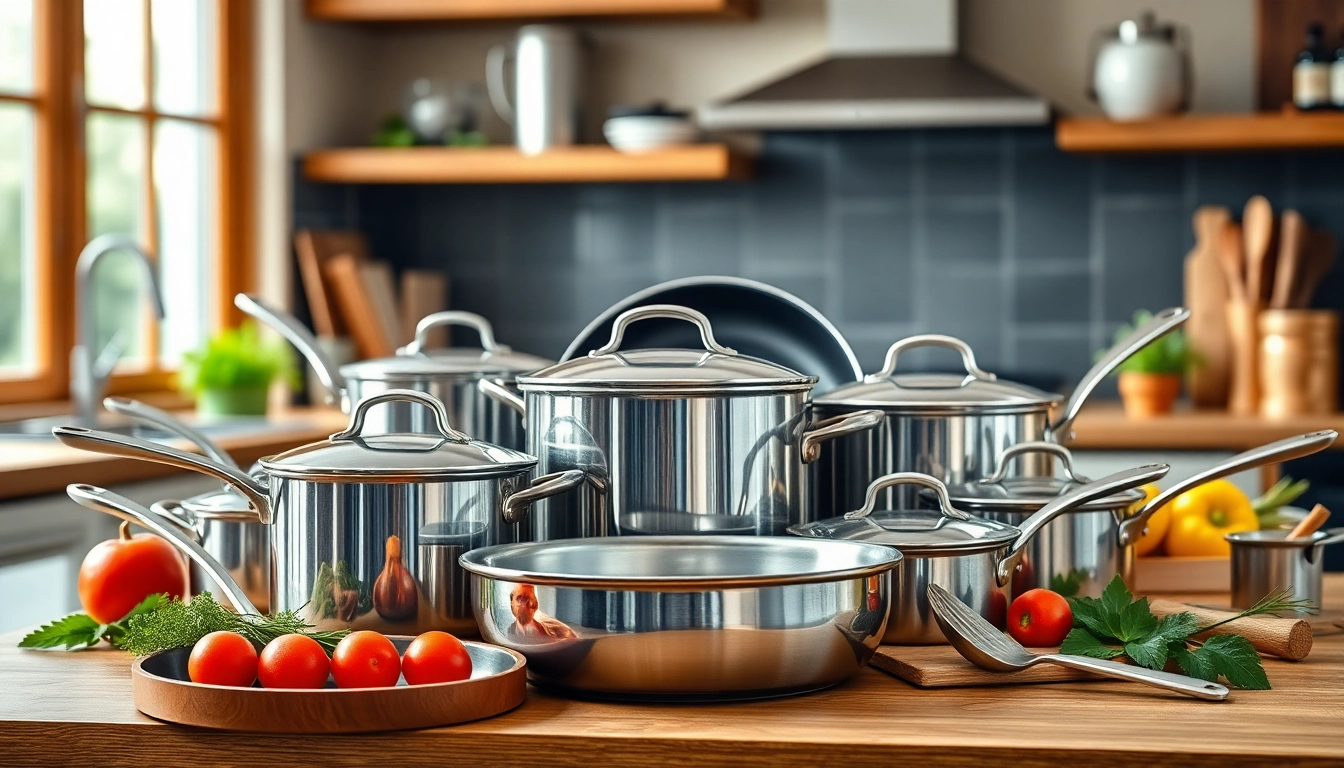
- Stainless Steel: Known for its durability and resistance to rust, stainless steel is a popular choice. It retains heat well but may not distribute it as evenly as other materials unless bonded with copper or aluminum.
- Non-Stick: Coated with substances like Teflon, this cookware provides a surface that prevents food from sticking. It’s ideal for low-fat cooking but requires careful maintenance to avoid scratches.
- Cast Iron: Excellent at retaining heat, cast iron cookware is perfect for slow cooking and frying. It requires seasoning for a non-stick surface and is often heavier and more expensive than other options.
- Carbon Steel: Similar to cast iron but lighter, carbon steel is great for high-heat cooking and develops a non-stick surface with use. However, it may require more maintenance due to susceptibility to rust.
- Ceramic: Known for its aesthetic appeal and non-toxic properties, ceramic cookware provides even heat distribution. However, it can be prone to chipping, which may affect cooking performance.
Heat Conductivity and Cooking Performance
Heat conductivity is vital for effective cooking. Cookware materials each have unique rates of heat transfer:
- Aluminum: These pans heat quickly and evenly, making them suitable for most cooking methods.
- Stainless Steel: When combined with aluminum or copper bases, stainless steel can achieve excellent heat conduction, ensuring food cooks evenly without hot spots.
- Cast Iron: Although slower to heat, once cast iron reaches the desired temperature, it maintains it well, making it great for searing.
- Non-Stick: Ideal for cooking delicate items that could stick, such as eggs or pancakes, but it’s essential to keep the flame moderate to preserve its coating.
Durability and Maintenance of Different Materials
Durability often correlates with maintenance requirements. For example:
- Stainless Steel: It can withstand years of use without losing its sheen but is susceptible to scratches and discoloration without proper care.
- Non-Stick: While convenient, the coating can wear off, necessitating careful cleaning and specific utensils to prevent scratching.
- Cast Iron: With seasoning, cast iron can last a lifetime, but it demands regular upkeep to prevent rusting.
- Ceramic: Though visually appealing, ceramic can chip and crack, which may undermine its performance.
Choosing the Right Cookware for Your Kitchen
Finding the right cookware for your kitchen isn’t just about preference; it’s about functionality and matching your cooking style. Several critical factors to consider include your cooking style, the types of meals you regularly prepare, and your budget.
Consideration for Your Cooking Style
Your cooking style plays a significant role in the type of cookware you should choose. For example:
- Frequent Searing: If you often cook meats, consider acquiring stainless steel or cast iron for their high heat retention.
- Low-Fat Cooking: Non-stick cookware is ideal for meals requiring less oil because it allows for easy flipping and turning.
- Baking: If you enjoy baking, consider bakeware made from heavy-gauge metal for even heat distribution or ceramic for aesthetic appeal.
Matching Cookware with Different Heat Sources
Understanding which heat sources work well with certain cookware can enhance cooking efficiency. Key considerations include:
- Gas Stovetops: Almost all cookware works well on gas due to direct flame contact, but look for materials that can handle rapid temperature changes.
- Induction Cooktops: Magnetic materials such as cast iron and certain types of stainless steel are required for induction cooking.
- Oven Use: Make sure your selected cookware is oven-safe if you plan on using it for baked dishes.
Budgeting for Quality Cookware
Quality cookware can be an investment, but it’s worth considering how much to allocate. High-quality pieces may initially seem expensive, but their durability and performance often justify the cost over time. Set a budget that provides flexibility for purchasing essential pieces like skillets, saucepans, and stockpots, focusing on what you will use most frequently.
Cookware Maintenance Tips
Proper maintenance is crucial for prolonging the lifespan of your cookware. Different materials have unique care requirements that can greatly affect their functionality.
Cleaning Techniques for Different Materials
Cleaning your cookware should be done according to its material:
- Stainless Steel: Use mild detergents and a non-abrasive sponge. Avoid steel wool to maintain shine.
- Non-Stick: Hand wash with soft sponges and avoid harsh chemicals or scouring pads to protect the coating.
- Cast Iron: Rinse with water and use a brush; do not use soap. Regularly season to maintain its surface.
- Ceramic: Use soft sponges and avoid metal tools that can scratch the surface.
How to Preserve Non-Stick Coating
To extend the life of your non-stick cookware, always preheat on low to medium settings and avoid using metal utensils. Hand washing is preferable, and avoid cooking sprays that can build up residue and degrade the coating.
Storage Solutions to Protect Your Cookware
Proper storage can help maintain your cookware’s condition. Consider these tips:
- Stack pans with protective liners or cloths between them to prevent scratches.
- Hang skillets to avoid nesting and minimize warping.
- Keep lids and accessories organized in a drawer or container to prevent damage.
Cookware Safety Considerations
Safety is a crucial concern when using cookware. Understanding materials and usage can help assure safe cooking practices.
Teflon vs. Ceramic: What You Need to Know
Teflon and ceramic represent popular non-stick options, each with advantages and drawbacks. Teflon can release toxic fumes if overheated, while ceramic offers a non-toxic alternative, supportive of safer cooking methods, though it may wear away quicker.
Identifying Non-Toxic Cookware Options
Many manufacturers label their cookware as non-toxic. Look for certifications or standards that indicate absence of harmful chemicals, such as PFAs in non-stick coatings. Materials like stainless steel and cast iron are generally regarded as more stable and safer choices.
Tips for Safe Cooking Practices
To ensure safe cooking:
- Avoid metal utensils on non-stick surfaces to prevent flaking.
- Follow manufacturer instructions for specific cookware.
- Keep an eye on cooking temperatures to avoid overheating materials.
Innovations in Cookware Design
The cookware industry continually evolves, introducing innovative materials and designs that enhance the cooking experience.
High-Tech Cookware for Modern Kitchens
Smart cookware integrates technology and IoT functionality, allowing chefs to monitor cooking progress through apps. Products include self-stirring pots, temperature-controlled skillets, and more, creating a seamless cooking experience.
Eco-Friendly Cookware Options
As environmental concerns rise, many brands are producing eco-friendly cookware made from sustainable materials. Look for options like recycled aluminum or bamboo that can help reduce your carbon footprint while cooking efficiently.
Future Trends in Cookware Technologies
Future trends indicate a focus on customization in cookware design. Cookware that utilizes advanced materials—like titanium composites and nanotechnology—may dominate the market, leading to greater heat retention and durability.
FAQs about Cookware
1. What is the best material for non-stick cookware?
Ceramic is considered a safer choice, as it is non-toxic and free from harmful chemicals. However, traditional Teflon can perform better if properly cared for.
2. How do I maintain cast iron cookware?
Clean with minimal water, avoid soap, and always season it after use to prevent rust and maintain its non-stick properties.
3. Is stainless steel cookware dishwasher safe?
While many stainless steel options are dishwasher safe, hand washing is recommended to maintain their shine and avoid discoloration.
4. Can I use metal utensils on non-stick cookware?
No, using metal utensils can scratch and damage the non-stick coating, making it less effective and shortening its lifespan.
5. How can I tell if my cookware is oven-safe?
Check the manufacturer’s instructions or any labeling on the cookware; usually, materials like stainless steel and cast iron are oven safe.