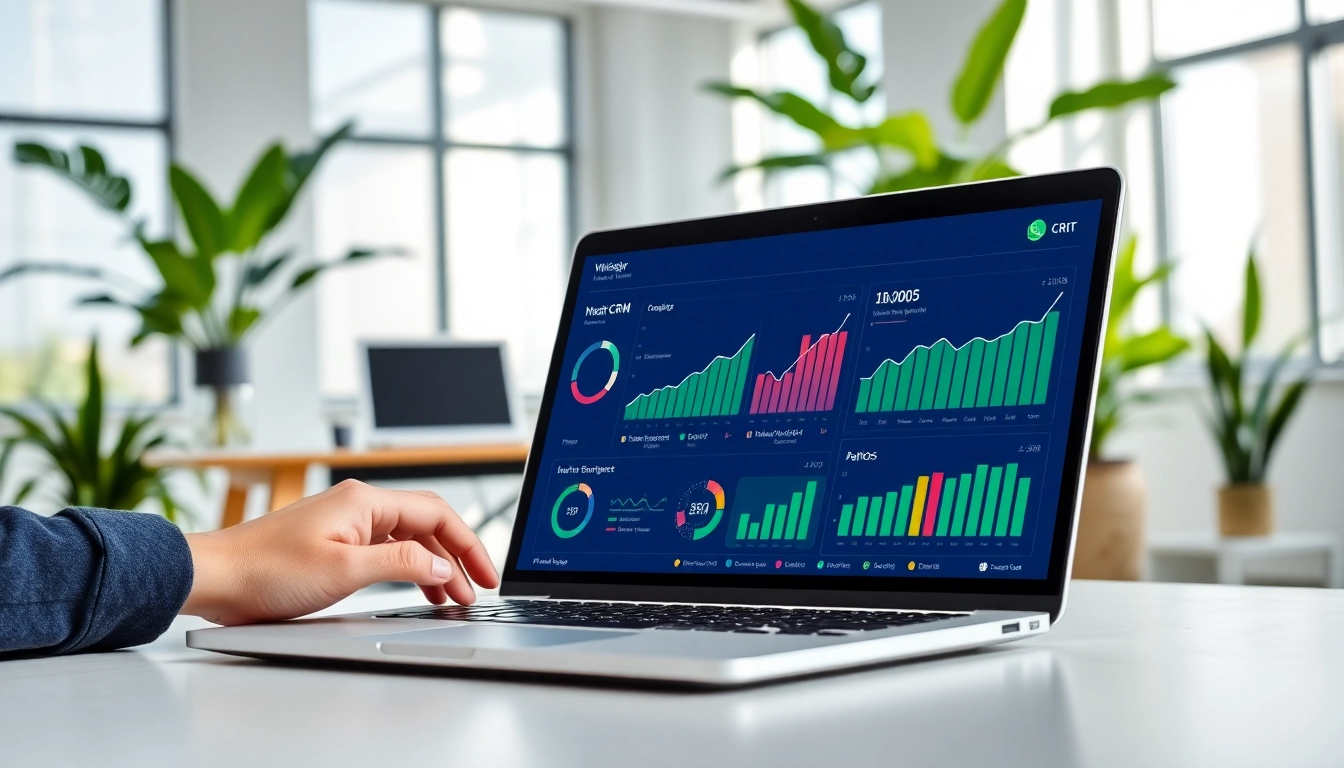

Understanding Competitive Intelligence
Definition and Importance
Competitive intelligence refers to the systematic practice of gathering, analyzing, and utilizing information about competitors and the market environment. This ongoing process is vital for organizations striving to enhance performance and anticipate industry trends. The ability to adapt and make informed decisions based on competitive intelligence can give businesses a strategic edge in today’s fast-paced environment. In essence, effective competitive intelligence allows companies to navigate challenges by transforming raw data into actionable insights.
Components of Competitive Intelligence
The components of competitive intelligence can be broad but generally focus on four key areas:
- Market Analysis: Understanding the dynamics, structure, and trends in the market environment.
- Competitor Analysis: Evaluating strengths, weaknesses, strategies, and performance of competitors.
- Customer Insights: Gathering information about consumer preferences, behaviors, and demands.
- Regulatory Analysis: Monitoring legal and regulatory changes that may affect the industry.
These components work together to help organizations formulate strategies and adapt to market changes proactively.
Common Misconceptions
Despite its critical role, there are several misconceptions about competitive intelligence:
- Myth 1: Competitive intelligence is the same as espionage. In reality, it is a legal practice focused on obtaining public or freely available information.
- Myth 2: CI is only for large companies. Businesses of all sizes can benefit from competitive intelligence initiatives.
- Myth 3: CI is a one-time project. Successful CI is an ongoing process that adapts to market changes.
Gathering Data for Competitive Intelligence
Methods for Data Collection
Data collection for competitive intelligence can occur through various methods, including:
- Public data sources: Annual reports, press releases, and news articles provide factual information on competitors.
- Market research: Surveys, focus groups, and interviews can offer insights into customer preferences and competitor positioning.
- Social media monitoring: Observing competitors’ social channels can provide real-time information on their marketing strategies and customer interactions.
- Networking: Engaging in industry events and forums can help gather intelligence through discussions with peers.
Technology and Tools Used
Modern organizations leverage various tools and technologies to enhance data collection and analysis:
- Data Analytics Tools: Platforms like Google Analytics and Tableau help analyze large datasets to derive actionable insights.
- Social Listening Tools: Tools like Hootsuite and Brandwatch can track competitor mentions and industry trends across social media.
- Business Intelligence Software: Solutions such as Power BI and Qlik enable deep dives into market and competitor data.
Challenges in Data Acquisition
While gathering data is essential, several challenges may arise, including:
- Data Overload: Too much data can overwhelm teams, making it challenging to filter out what is relevant.
- Quality of Data: Ensuring the accuracy and reliability of sources is crucial to avoid misleading conclusions.
- Legal Restrictions: Companies must ensure compliance with regulations when sourcing and utilizing competitive data.
Analyzing Competitive Intelligence
Frameworks for Analysis
Using structured frameworks can significantly enhance the analysis of competitive intelligence:
- SWOT Analysis: Identifying a competitor’s Strengths, Weaknesses, Opportunities, and Threats can reveal competitive advantages.
- Porter’s Five Forces: This model helps businesses analyze the competitive forces in their industry landscape.
- Pestle Analysis: Examining Political, Economic, Social, Technological, Legal, and Environmental factors helps assess external influences on competitors.
Turning Data into Insights
The ultimate goal of competitive intelligence is to convert collected data into useful insights, which can inform strategy:
- Pattern Recognition: Identifying trends in competitors’ actions can provide clues about future behavior.
- Scenario Planning: Developing hypothetical scenarios based on current data can aid in preparing for various market shifts.
- Strategic Recommendations: Use insights to formulate strategic actions that capitalize on competitors’ weaknesses.
Key Performance Indicators
To measure the effectiveness of competitive intelligence efforts, organizations should monitor KPIs such as:
- Market Share Growth: Evaluate changes in market share against competitors.
- Customer Retention Rates: Analyze how your insights affected customer loyalty and retention.
- Sales Growth: Correlate improved competitive positioning with revenue growth over time.
Implementing Competitive Intelligence Strategies
Developing an Action Plan
Creating an actionable plan involves several steps:
- Define Objectives: Clearly outline what you want to achieve through your competitive intelligence activities.
- Identify Key Competitors: Analyze competitors that pose the most significant threat.
- Select Methods: Choose the most suitable data collection methods and tools for your objectives.
- Allocate Resources: Ensure you have the right team and technology available to execute your plan effectively.
Integrating Insights into Decision Making
Insights from competitive intelligence should be seamlessly integrated into strategic decision-making processes:
- Regular Briefings: Hold regular meetings to disseminate findings across departments.
- Embedded Intelligence: Incorporate insights into development processes, ensuring teams can make informed decisions swiftly.
- Feedback Mechanisms: Create channels for feedback regarding the performance of strategies that were based on competitive intelligence.
Case Studies and Real-World Applications
Successful applications of competitive intelligence illustrate its potential:
- Market Disruptions: Companies that anticipated market disruptions through CI were able to pivot and maintain competitiveness.
- Innovative Approaches: Utilizing customer insights led businesses to innovate products or services, outpacing their competition.
- Improved Marketing Strategies: Targeting marketing campaigns more effectively based on competitor data resulted in increased customer engagement and sales.
Measuring the Impact of Competitive Intelligence
Evaluating Success and Outcomes
Concretely measuring the impact of competitive intelligence initiatives involves:
- Setting Benchmarks: Use KPIs defined earlier as benchmarks to measure progress.
- Before-and-After Comparisons: Evaluate metrics before implementing CI against those after its application.
- Stakeholder Feedback: Gather insights from stakeholders to understand the perceived effectiveness of CI strategies.
Feedback Loops and Continuous Improvement
Establishing feedback loops allows organizations to continually refine their competitive intelligence processes:
- Iterative Reviews: Regularly review competitive intelligence practices to ensure they evolve with market dynamics.
- Lesson Sharing: Encourage teams to share lessons learned from each CI cycle to promote learning and growth.
- Adaptation: Use insights from each cycle to adapt strategies promptly based on what has been successful or unsuccessful.
Future Trends in Competitive Intelligence
Looking forward, several trends are poised to shape the landscape of competitive intelligence:
- AI and Machine Learning: Increasing reliance on AI will streamline data collection and analysis, making it faster and more accurate.
- Integration with Business Intelligence: Merging CI with broader BI initiatives will create a more holistic view of market dynamics.
- Real-Time Insights: As technology advances, the need for and the ability to gain real-time insights will become critical.
FAQs about Competitive Intelligence
1. What is competitive intelligence?
Competitive intelligence is the process of gathering and analyzing information about competitors, market conditions, and customer preferences to inform strategic business decisions and improve performance.
2. Is competitive intelligence legal?
Yes, competitive intelligence is a legal practice when it involves gathering publicly available information. It differs from industrial espionage, which is illegal.
3. How can I start implementing competitive intelligence?
Begin by defining clear objectives, identifying key competitors, and choosing appropriate methods and tools for data collection and analysis.
4. What common challenges exist in competitive intelligence?
Challenges include data overload, ensuring data quality and accuracy, and legal restrictions on data usage. Proper planning and technology can help overcome these issues.
5. How do I measure the success of competitive intelligence?
Measure success through key performance indicators like market share growth, customer retention rates, and overall sales growth, ensuring you set benchmarks for comparison.