
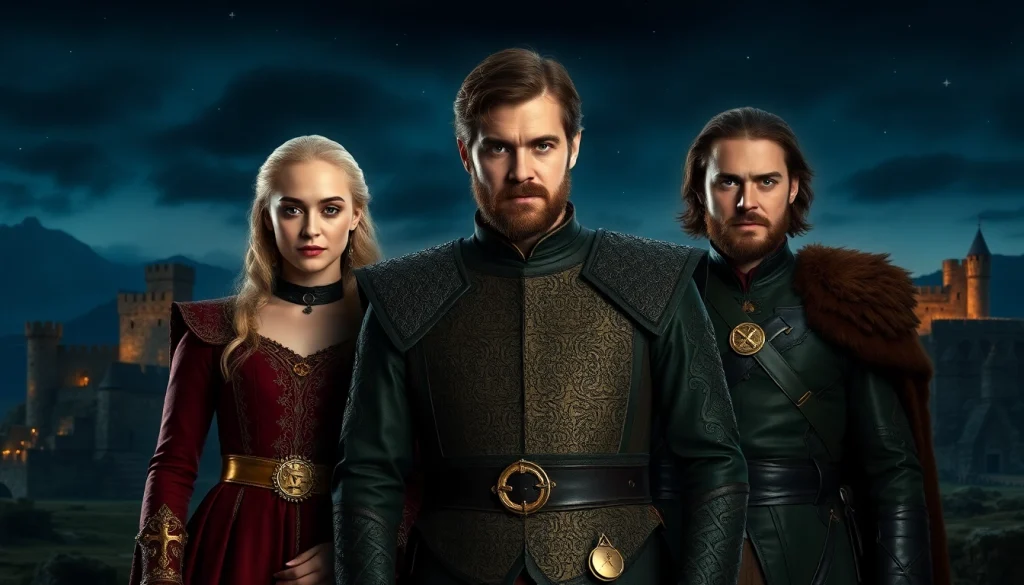
Understanding the Game of Thrones Cast
The game of thrones cast is a profoundly important element of the acclaimed HBO series that captured the imaginations of millions worldwide. Each actor not only brought their character to life but also contributed to the intricate tapestry of the story itself. In this exploration, we will delve deep into the various facets of the cast, the significant characters they portrayed, and the impact they had on the show’s overall narrative.
Overview of Main Characters
The ensemble cast of Game of Thrones is one of its most lauded aspects. Among the principal characters, we find iconic figures like:
- Emilia Clarke as Daenerys Targaryen: The Mother of Dragons, whose ambition to reclaim her family’s throne drives much of the show’s plot.
- Peter Dinklage as Tyrion Lannister: The sharp-witted, often underestimated member of the Lannister family who becomes a key player in the game of thrones.
- Kit Harington as Jon Snow: Known for his strong moral compass, Jon is the bastard son of Ned Stark, navigating the complexities of loyalty and identity.
- Lena Headey as Cersei Lannister: The ruthless and cunning queen whose desire for power often leads to destructive decisions.
- Sophie Turner as Sansa Stark: Beginning as a naive girl, Sansa’s journey showcases significant character evolution through trials that test her resilience.
These characters, profoundly rooted in George R.R. Martin’s literary universe, have left indelible marks on popular culture, becoming synonymous with the series itself.
Notable Supporting Roles
Alongside the main cast, Game of Thrones features a plethora of supporting characters that enhance the richness of the story. Notable mentions include:
- Nikolaj Coster-Waldau as Jaime Lannister: Often seen as the “Kingslayer,” Jaime’s character intricately weaves themes of honor and redemption.
- Maisie Williams as Arya Stark: Arya’s evolution from a young girl to a trained assassin is a central storyline that embodies determination and growth.
- Alfie Allen as Theon Greyjoy: His controversial choices and personal struggles captivate audiences and often invoke sympathy.
- Isaac Hempstead Wright as Bran Stark: The seemingly passive character evolves into a figure of immense power and knowledge as the series progresses.
These characters not only support but also challenge the primary protagonists, enriching the narrative with diverse viewpoints and experiences.
The Diversity of the Game of Thrones Cast
Diversity in the Game of Thrones cast is noteworthy, with actors representing various backgrounds and cultures. The series showcases characters from different parts of its expansive fictional world, from the icy North to the warm, sandy dunes of Dorne. This diversity is reflected in the multicultural dynamics of households and realms within Westeros and Essos, enhancing the moral and ethical complexities faced by the characters.
Additionally, the casting choices go beyond mere representation; they often encapsulate the essence of the characters. The richness in their backgrounds adds a layer of authenticity that resonates with audiences and contributes to the show’s global appeal. The inclusion of varied experiences broadens the show’s narrative scope, inviting viewers to engage with the characters on multiple levels.
Character Development in Game of Thrones
Character development is a cornerstone of storytelling in Game of Thrones. Each character’s journey is meticulously crafted, evolving in response to personal experiences and the tumultuous events around them.
Journey Arcs of Key Characters
The arcs of characters are often elaborate and multi-faceted. Take Daenerys Targaryen as a prime example; her initial portrayal as a timid girl under the control of her brother transforms into that of a powerful and determined leader. This transformation illustrates the show’s broader theme of survival and the moral compromises that accompany the thirst for power.
Similarly, Jon Snow’s journey from being an outcast to a prominent leader of the Night’s Watch highlights struggles with identity and duty. His decisions reflect the series’ core message concerning loyalty to oneself versus allegiance to others.
Evolution Over the Seasons
As the seasons progress, characters in Game of Thrones exhibit significant evolution. Sansa Stark’s arc represents a poignant journey of empowerment amidst adversity. Starting as a naive girl dreaming of romance, Sansa gradually learns to navigate the political intrigues of the court and becomes a formidable player in her own right.
The character development displayed through Arya Stark is equally compelling. Her transformation driven by tragedy and vengeance depicts resilience and the struggle between personal integrity and the desire for retribution. Each character’s journey reflects the complexities of human nature and the consequences of choices made in dire circumstances.
Impact of Casting Decisions on Character Dynamics
The casting choices in Game of Thrones significantly influenced character dynamics and overall storytelling. Directors and producers took great care in selecting actors whose portrayals would resonate with audiences and imbue each character with depth. For example, Peter Dinklage’s performance as Tyrion Lannister added layers of complexity to a character who embodies wit and vulnerability, making him a fan favorite.
This careful casting not only enhanced the characterization but also shaped the interactions between actors—creating chemistry or tension that felt authentic and engaging for viewers. The choice of actors impacted how their characters’ relationships developed, adding a layer of realism to the intricate web of alliances and enmities portrayed in the series.
Behind the Scenes: The Casting Process
The casting process for Game of Thrones was as intricate as the show itself, often involving extensive auditions and careful consideration of how each actor would fit into the show’s expansive universe.
Auditioning the Game of Thrones Cast
Auditioning for Game of Thrones was a rigorous affair, with hopefuls often facing multiple rounds of auditions. The casting team sought actors who could embody the depth and intricacies of their characters. For many, landing a role in the series was a career-defining moment. Actors had to showcase not only their talent but also their ability to collaborate and grow with diverse ensemble casts.
The audition process often involved reading scenes that reflected the emotional range and complexities of the characters. This strategic approach ensured that the selected cast could rise to the demands of their roles and contribute to the show’s intricate narrative fabric.
Director and Writer Insights on Character Selection
Insights from directors and writers reveal the thoughtful consideration behind character selection in Game of Thrones. The creative team prioritized actors who could deliver nuanced performances, harmonizing with the collective dynamics within the cast. Their insights often emphasized the importance of finding actors who could handle intense emotional scenes while remaining grounded in their characters’ motivations.
This collaborative dialogue led to casting choices that felt authentic, memorable, and resonant with audiences. Actors like Lena Headey (Cersei) and Nikolaj Coster-Waldau (Jaime) exhibit a unique chemistry that transcends the script, reflecting a deep understanding of their characters’ complexities and conflicts.
Challenges in Casting for a Complex Narrative
Casting for a series as intricate as Game of Thrones presented unique challenges. The expansive character roster required a delicate balance between established actors and newcomers, ensuring a cohesive blend of skill levels and backgrounds. Each character’s narrative arc needed to complement one another, making it essential to find actors who not only embodied their characters physically but also connected well with the overall ensemble.
Moreover, the show demanded the casting of actors who could convincingly portray character transformations while traversing the deeply drawn-out landscapes of moral ambiguity and complexity. Such challenges necessitated thorough planning and keen insight into the characters’ journeys to ensure that viewers would remain invested throughout the series.
The Cultural Impact of the Game of Thrones Cast
The cultural phenomenon of Game of Thrones extends beyond its plot and production design to the influence of the game of thrones cast. The impact of the series on popular culture remains substantial, with notable effects seen across various domains.
Influence on Popular Culture
The characters and performances contributed to a renewed interest in fantasy television, inspiring a wave of series aiming to capture a similar intensity and storytelling craft. With catchphrases and iconic moments becoming part of everyday language, references to Game of Thrones permeate conversations across social media platforms and mainstream media.
The cultural impact is also seen in merchandise, fan conventions, and cosplay, reflecting the deep connection fans have established with the characters and actors. These tributes highlight the public’s appreciation for the show’s deep storytelling and character-driven narratives.
Social Media and Fan Interaction
Social media platforms have transformed how fans interact with the Game of Thrones cast. Many actors have embraced their platforms to engage directly with fans, sharing behind-the-scenes content and personal experiences. This proximity allows for a unique rapport, fostering community among viewers and enhancing their investment in the characters’ journeys.
Additionally, fan theories, discussions, and creative interpretations proliferate across the internet, creating a vibrant subculture filled with speculation and analysis, fostering deeper connections to the series and its narrative elements.
Guest Appearances and Spin-offs
Following the end of Game of Thrones, several cast members have leveraged their newfound fame in various projects, including guest appearances on television shows and speaking engagements. The beloved actors continue to grace both the screen and stage, reminding audiences of their multifaceted talents.
The legacy of the cast extends into the future of the franchise with spin-offs like House of the Dragon. Familiar faces may reappear or new ones join the narrative, allowing the rich characters and storytelling elements of Westeros to live on, generating excitement among fans and extending the series’ cultural footprint.
Future of the Game of Thrones Cast Legacy
As the series concludes, the legacy of the game of thrones cast continues to thrive, showcasing their talents in new avenues.
Upcoming Projects of Cast Members
A number of cast members have embarked on exciting new projects, diversifying their roles and showcasing their range as actors. For instance, Kit Harington has taken on various film and television roles that allow him to explore different genres, from drama to action, proving his versatility as a performer. Other actors, like Emilia Clarke, have engaged in diverse projects that further showcase their acting capabilities and personal interests.
Continuation of Storylines in New Series
With the announcement of new series set in the same universe, the legacies of the cast members will continue to unfold. These spin-offs aim to delve deeper into the lore of Westeros, providing opportunities for original cast members to reprise their roles or for newer talent to join the fray. The anticipation surrounding these stories keeps the spirit of Game of Thrones alive while exploring new narratives and character dynamics.
Reunions and Cast Collaborations
Fans often express delight at reunions among the cast members, whether through social media interactions, charity events, or interviews. Such moments not only remind viewers of the camaraderie formed during filming but also foster nostalgia about the show’s impact. Furthermore, the prospect of future collaborations among cast members in different projects raises excitement and potential for creative storytelling across various platforms.
In conclusion, the game of thrones cast remains an integral part of understanding what made the series a monumental success. Through their performances, the cast shaped beloved characters and created lasting connections with the audience. Their journeys continue to resonate, paving the way for new narratives while celebrating the powerful storytelling legacy that is Game of Thrones.