
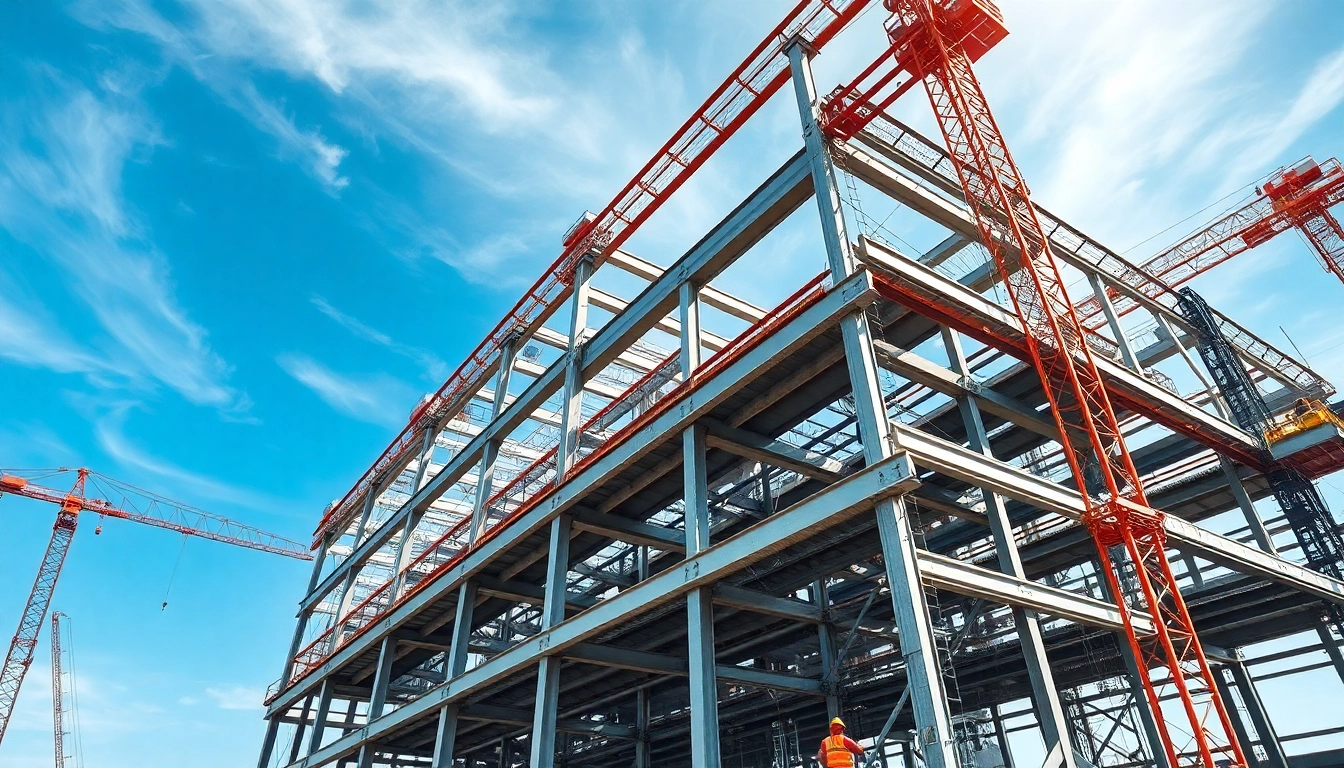
The Foundation of Structural Steel Construction
What is Structural Steel?
Structural steel is a category of steel used for the construction of buildings and other infrastructures. Specifically designed to withstand significant loads, structural steel comes in various shapes and sizes, providing immense strength and durability. The material is either hot-rolled or cold-formed, and it can be used in numerous construction applications, from beams and columns to trusses and frames. As the backbone of modern architecture, structural steel construction satisfies both functional requirements and aesthetic principles, facilitating innovative designs and tall structures that define skylines today. For detailed insights, consider exploring the world of structural steel construction.
Properties and Benefits of Structural Steel
Structural steel’s properties make it an invaluable resource in the construction industry. Its high strength-to-weight ratio allows for lighter and slimmer structures, optimizing material use. Additionally, it displays remarkable ductility, enabling it to bend without breaking, a crucial attribute for seismic regions. Some of the prominent benefits include:
- Strength: Resistant to factors such as stretching, twisting, and bending, structural steel supports extensive loads.
- Durability: Steel structures are less susceptible to decay or pest damage, ensuring longevity.
- Fire Resistance: When properly treated, steel can withstand high temperatures, diminishing the risk of failure during a fire.
- Design Versatility: Structural steel allows for various designs, accommodating both aesthetic and structural needs.
Types of Structural Steel Used in Construction
The types of structural steel used in construction vary depending on design needs and load requirements. Some common forms include:
- Beams: Horizontal supports that carry loads from the roof or floors to columns.
- Columns: Vertical structures that transmit loads from above down to the foundation.
- Trusses: Frameworks supporting roofs or bridges made of connected triangles for enhanced strength.
- Braces: Elements added to improve stability and resist lateral forces.
Design Considerations for Structural Steel Construction
Architectural Trends Influencing Structural Steel Design
The design of structural steel has evolved alongside architectural trends, yielding innovative approaches that blend form with function. Modern architecture often embraces minimalism, employing slender steel columns and wide spans devoid of obstructive supports. Green architecture is another trend that influences design, wherein recycled and eco-friendly alloys are utilized, often paired with natural materials to enhance the building’s carbon footprint.
Load-Bearing Requirements and Calculations
When designing with structural steel, engineers must accurately calculate the load-bearing requirements. This involves understanding dead loads (the weight of structural components), live loads (occupants and furniture), and environmental loads (wind, snow, seismic). The process encompasses:
- Load Analysis: Identifying all forces acting on the structure.
- Material Strength Testing: Evaluating the specific strengths of chosen steel grades.
- Safety Factors: Including safety margins to ensure stability and prevent failure.
Environmental Considerations in Structural Steel Construction
Structural steel construction must align with environmental standards to promote sustainability. Strategies include:
- Recycling: Structural steel is one of the most recycled materials globally, reducing the demand for raw materials.
- Energy Efficiency: Employing energy-efficient manufacturing processes that minimize emissions.
- Durability: Designing structures that endure with minimal maintenance, minimizing resource consumption over time.
Construction Methods in Structural Steel Construction
Traditional vs. Modern Erection Techniques
Traditionally, structural steel was erected using significant manpower and simple machinery (cranes and pulleys). Modern construction methods, however, have transformed erection techniques with innovations such as:
- Pre-fabrication: Components are fabricated off-site to streamline onsite assembly.
- BIM (Building Information Modeling): Digital 3D modeling helps mitigate errors, improving project outcomes.
- Modular Construction: Utilizing prefabricated modules that are assembled onsite, expediting the construction process.
Safety Protocols During Structural Steel Assembly
Safety is paramount in structural steel construction due to inherent risks involved in handling heavy materials. Key safety protocols include:
- Personal Protective Equipment (PPE): Ensuring all workers are equipped with necessary gear.
- Rigging Procedures: Adhering to correct loading techniques and securing loads to prevent accidents.
- Site Inspections: Regular evaluations to identify and mitigate hazards before they become risks.
Technological Advancements Shaping Construction Practices
Technological progress is dramatically influencing the structural steel construction industry. Some impactful advancements include:
- Drones: Used for site surveying and monitoring progress throughout construction phases.
- Advanced Materials: Research into stronger, lightweight alloys enhances structural integrity.
- IoT (Internet of Things): Sensor technologies that provide real-time data on material performance and structural health.
Challenges in Structural Steel Construction
Common Obstacles and Their Solutions
In structural steel construction, various challenges may arise, including:
- Supply Chain Disruptions: Global events can affect material availability. Solution: Diversifying suppliers and adopting just-in-time inventory practices.
- Regulatory Compliance: Adhering to changing regulations can be complex. Solution: Engaging expert consultants to navigate legal requirements effectively.
- Cost Overruns: Inaccurate project estimations can inflate costs. Solution: Conducting thorough planning and budgeting to minimize surprises.
Workforce Skills Gap in Steel Construction
The structural steel industry faces a workforce skills gap, with a decline in skilled labor due to generational shifts. To address this:
- Training Programs: Investing in apprenticeship and training initiatives to equip new workers with necessary skills.
- Collaboration with Educational Institutions: Partnering with colleges and trade schools to promote awareness and interest in steel construction careers.
- Utilizing Technology: Offering virtual training and workshops that broaden access to learning regardless of location.
Impact of Economic Factors on Projects
Economic conditions play a significant role in shaping structural steel projects. Factors include:
- Material Costs: Fluctuations in steel prices can impact project budgets. Monitoring market trends helps in budget forecasting.
- Financing Availability: Economic downturns can restrict funding, delaying projects. Secure financing well in advance to mitigate delays.
- Market Demand: Demand for construction can rise and fall with economic conditions. Diversifying project types can lessen risk.
Future of Structural Steel Construction
Innovations Set to Transform the Industry
The future of structural steel construction is poised for transformation, driven by innovations that enhance efficiency, sustainability, and safety. Some potentials include:
- 3D Printing: This technology could enable the fabrication of complex, customized steel components.
- Robot-Assisted Construction: Robots could automate repetitive tasks, minimizing human error and improving safety.
- Smart Steel: Research is underway on steel combined with sensors that can alert when structural integrity may be compromised.
Forecasting Trends in Structural Steel Demand
As urbanization continues to rise, the demand for structural steel is projected to grow significantly. Contributing factors include:
- Infrastructure Renewal: Many regions are investing in updating ageing infrastructure, requiring substantial steel use.
- Sustainable Construction: Interest in eco-friendly building materials inevitably increases the use of recycled steel.
- Globalization: An interconnected world promotes international projects, amplifying the necessity for robust materials like steel.
Sustainable Practices in Structural Steel Construction
As environmental concerns escalate, sustainable practices within structural steel construction will gain traction. Significant focus areas include:
- Green Steel: Developing lower-carbon steel manufacturing techniques can significantly reduce the industry’s carbon footprint.
- Life Cycle Analysis: Evaluating the full environmental impact of steel structures encourages better choices in design and material selection.
- Adaptive Reuse: Repurposing steel from decommissioned structures in new projects reduces waste and conserves resources.


